














Royal-Inspired Navy Elegance and 7 Smart Money Moves for a More Comfortable Retirement
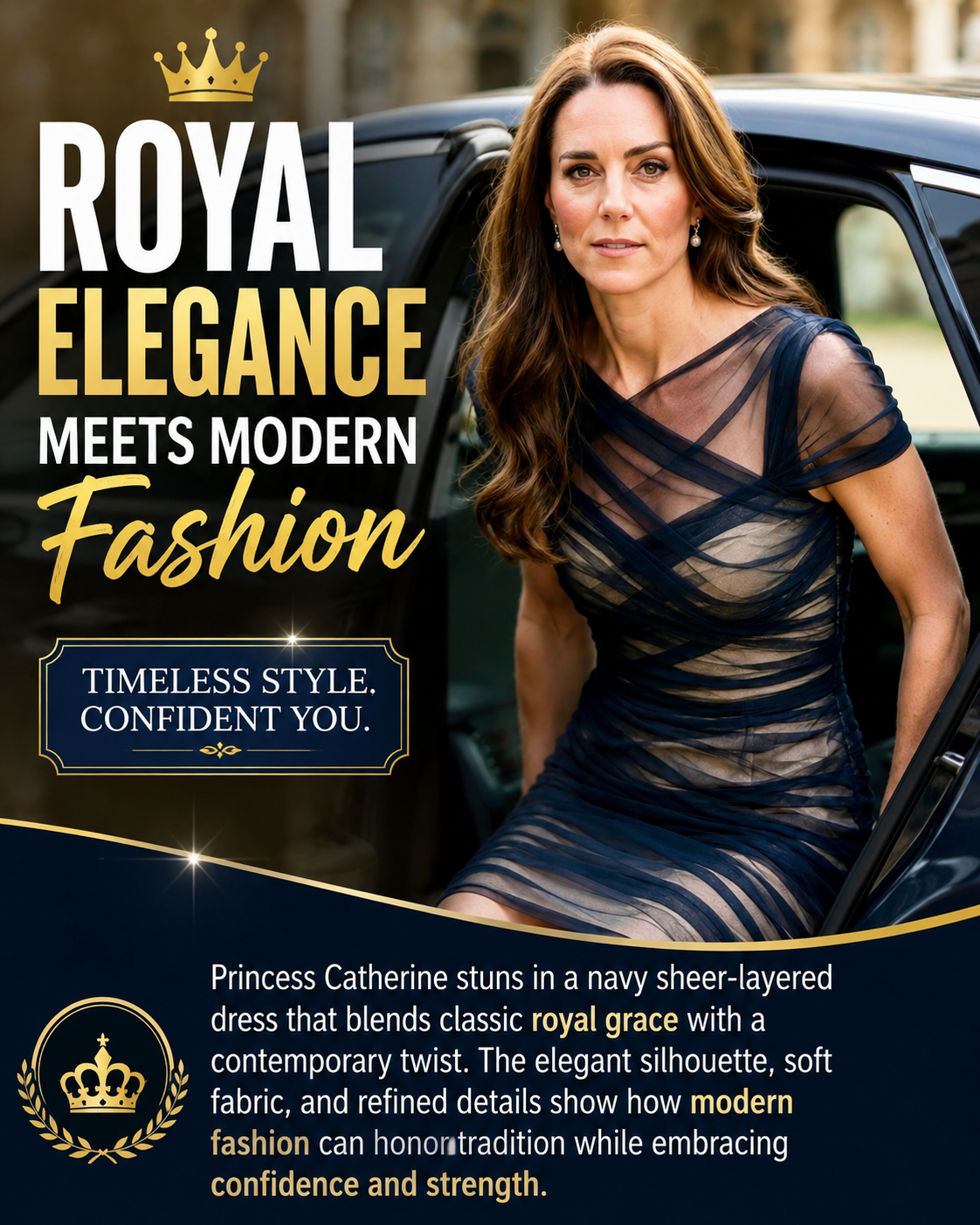
There is something quietly powerful about a deep navy dress. In the image above, the look combines soft sheer layering, a fitted silhouette, delicate earrings, and long flowing hair to create an appearance that feels elegant without looking overly complicated. I especially like how the darker fabric creates depth while the lighter layer underneath keeps the dress visually interesting.
For anyone who enjoys luxury fashion, this is a useful reminder that elegance does not always depend on bright colors, oversized jewelry, or constantly buying something new. Sometimes the strongest impression comes from choosing one flattering color, a clean silhouette, and a few carefully selected accessories.
The woman shown in the uploaded image should not automatically be assumed to be a particular royal person. Still, the overall styling certainly reflects the kind of polished, modern royal aesthetic many readers associate with Princess Catherine: structured yet feminine, sophisticated but approachable.
Why Navy Works So Well for an Elegant Wardrobe
Navy may be one of the most practical colors to own after 50.
Black can occasionally feel severe, while brighter blues may be difficult to coordinate. Navy sits comfortably between them. It works for daytime engagements, dinners, weddings, formal occasions, and even relatively casual gatherings.
The dress pictured above uses another clever styling idea: transparency through layered fabric rather than excessive embellishment. The sheer upper layer gives the outfit movement and dimension, while the lining underneath keeps the overall appearance refined.
Pearl-style drop earrings are also an excellent pairing. Instead of competing with the dress, they add just enough brightness around the face.
Princess Catherine herself has repeatedly appeared publicly in navy outfits. At the 2026 Commonwealth Day service, for example, she wore a monochrome navy Catherine Walker ensemble complemented by pearl jewelry, according to Town & Country. (Town & Country)
That combination illustrates an important fashion lesson: when the foundation of an outfit is strong, accessories do not need to shout.
A Modern Royal Fashion Formula
A royal-inspired wardrobe does not require a royal budget.
What makes many memorable Princess Catherine outfits appealing is often the formula rather than simply the designer label:
A flattering silhouette + dependable color + restrained accessories + thoughtful grooming.
At the 2023 Royal Variety Performance, Catherine appeared in a blue gown with dramatic cape-style sleeves, another example of how a relatively simple color can become striking through silhouette.
She has also demonstrated that elegant dressing does not have to follow a single template. Her public wardrobe has included structured coat dresses, tailored separates, patterned dresses and glamorous evening gowns.
In April 2026, she appeared at ANZAC Day commemorations in a deep-blue coat dress featuring structured shoulders and contrasting white lapels—again showing how navy can feel traditional and contemporary at the same time. (Harper’s BAZAAR)
For women over 50, this can be particularly useful inspiration. Rather than chasing every seasonal trend, building around several reliable shapes and colors can make dressing easier.
And that idea leads naturally to something even more important: money.
Elegant Living Is Also About Financial Confidence
Fashion may be enjoyable, but financial security can provide a different kind of confidence.
As retirement approaches, I think one of the smartest ideas is to treat money in much the same way as a good wardrobe: keep what serves you, remove unnecessary clutter, and invest carefully in things that genuinely improve your life.
Here are seven areas worth reviewing.
1. Review Your Monthly Spending Before Retirement
Start with the expenses that leave your account automatically every month.
Streaming services, mobile plans, internet packages, memberships, insurance add-ons and unused subscriptions can quietly accumulate.
Saving even a modest amount each month can matter more over several years than making one dramatic budget cut.
The objective is not to stop enjoying life. It is to stop paying for things you no longer use.
2. Build a Comfortable Emergency Fund
Retirement becomes easier when an unexpected home repair, medical expense, or car problem does not immediately have to go onto a credit card.
The appropriate emergency reserve varies from household to household, so there is no single amount that is right for everyone.
What matters is having accessible savings specifically separated from everyday spending and long-term investments.
3. Look Carefully at Credit-Card Debt
High-interest debt can become especially uncomfortable once employment income decreases.
Someone approaching retirement may therefore want to review balances, interest rates, annual fees and payment schedules well before leaving work.
Paying down expensive debt can sometimes provide more financial breathing room than trying to squeeze every last percentage point from an investment.
4. Review Insurance Instead of Automatically Renewing It
Insurance is another expense many families renew without reconsidering.
Home, auto, life and supplemental policies can all change in relevance as circumstances change.
Compare coverage as well as price. The cheapest policy is not necessarily the best one, but paying for unnecessary duplicate coverage makes little sense either.
5. Separate “Luxury” From “Impulse”
I love the concept of affordable luxury.
A beautifully made coat worn for ten years may offer more value than five inexpensive pieces purchased impulsively and rarely worn.
The same principle applies to travel, furniture, technology and dining.
Before making a larger purchase, ask:
Will I still value this a year from now?
That simple question can prevent a surprising amount of unnecessary spending.
6. Estimate Your Retirement Income Before You Need It
Anyone within several years of retirement should have at least a rough picture of where future income could come from.
Depending on the country and personal circumstances, that might include pensions, government retirement benefits, investments, savings, rental income or part-time work.
Then compare expected income with estimated monthly expenses.
You do not need a perfect prediction. You need enough visibility to identify problems while there is still time to adjust.
7. Create a “Enjoy Life” Budget
This may be my favorite part.
Retirement planning should not only be about cutting expenses.
Set aside money specifically for the things that make retirement enjoyable—perhaps travel, gardening, dinners with family, hobbies, home improvements or even a beautiful outfit for an important occasion.
When enjoyable spending has its own planned place in the budget, it can feel much more comfortable than spending first and worrying afterward.
What Royal Style Can Teach Us About Money After 50
One reason timeless royal fashion works so well as inspiration is that it often emphasizes consistency rather than constant reinvention.
Princess Catherine has frequently returned to familiar colors, silhouettes and accessories across different public appearances. A navy-and-white nautical coat dress worn at a 2025 ceremony, for example, incorporated accessories she had worn previously. (Harper’s BAZAAR)
That is actually a wonderful financial principle.
Buy thoughtfully. Maintain carefully. Reuse confidently.
A financially comfortable retirement rarely comes from showing everyone how much money you can spend. More often, it comes from knowing exactly what matters enough to spend money on—and what does not.
The Most Elegant Retirement May Be the One You Can Afford
Looking again at the navy styling that inspired this discussion, its appeal is not simply about glamour.
It feels controlled.
Nothing appears unnecessarily complicated.
And perhaps personal finance after 50 benefits from exactly the same philosophy.
Keep a few things you truly enjoy. Reduce unnecessary monthly expenses. Pay attention to debt. Protect your savings. Plan for future income. And leave room in the budget for pleasure.
You do not have to choose between enjoying beautiful things and being financially responsible.
The goal is to make those two ideas work together.
A timeless dress can remind us that elegance is not about excess—and a thoughtful retirement plan can remind us that wealth is not merely what we spend, but the freedom our money gives us.
Frequently Asked Questions
Is navy a good color for women over 50?
Absolutely. Navy is versatile, softer than pure black for many complexions, and pairs easily with white, cream, silver, gold, pearls and neutral accessories.
Do I need designer clothes to create a royal-inspired wardrobe?
No. Focus first on fit, fabric, tailoring and coordination. An inexpensive garment that fits beautifully can appear more polished than an expensive piece with poor proportions.
How much should I save before retirement?
There is no universal number. Your required savings depend on expected retirement age, lifestyle, housing, healthcare costs, pension or government benefits, investments and other income. A qualified financial professional can help with calculations specific to your situation.
Should people over 50 stop spending on fashion?
Not necessarily. A realistic budget should include some enjoyment. The better approach may be buying fewer pieces that you genuinely love and expect to wear repeatedly.
What is one money task I can do this month?
Review the last two or three months of bank and credit-card statements and identify recurring expenses you no longer value. It is simple, but it can reveal savings opportunities surprisingly quickly.
This article is for general educational and lifestyle purposes and is not individualized financial advice.
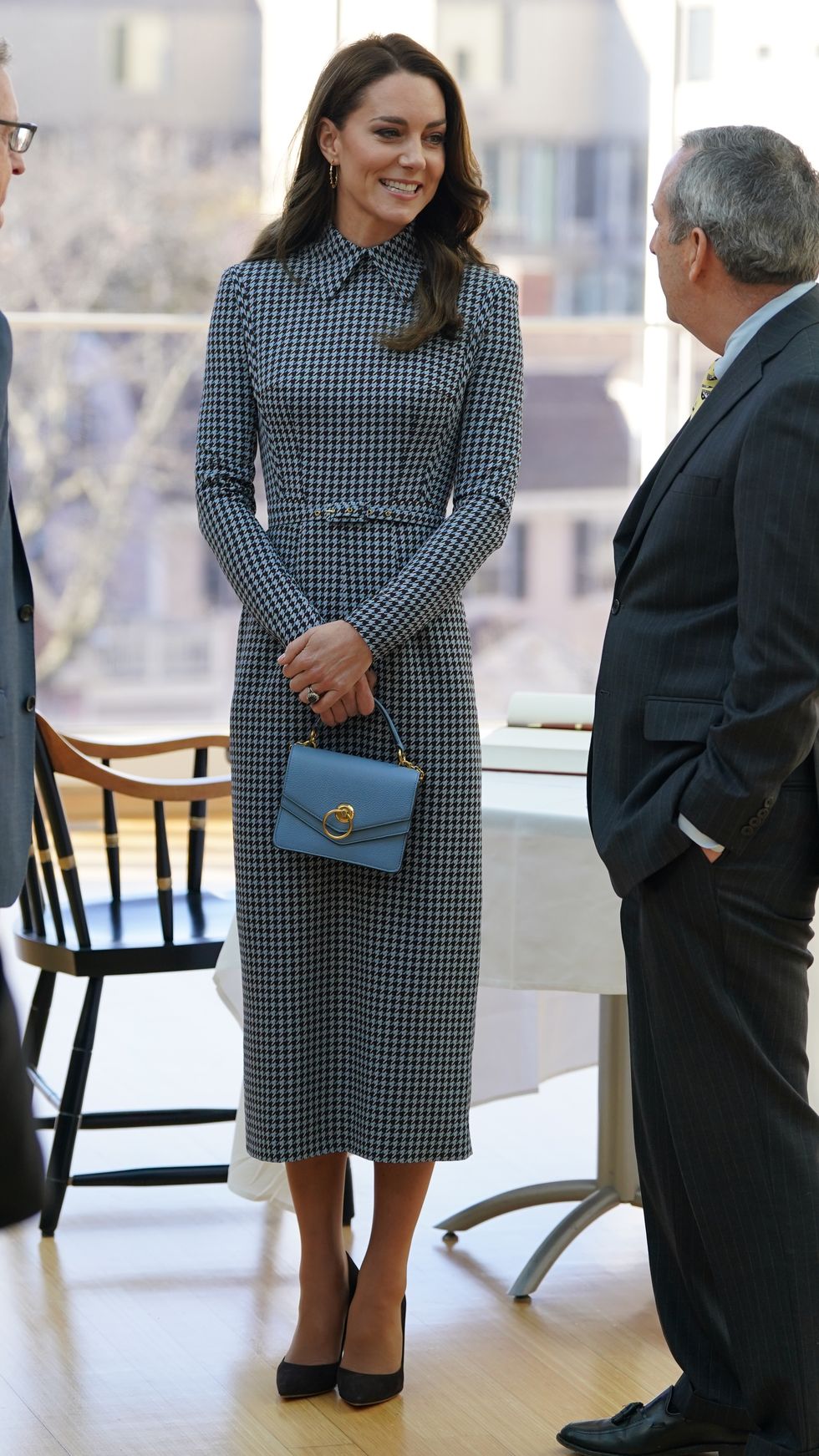
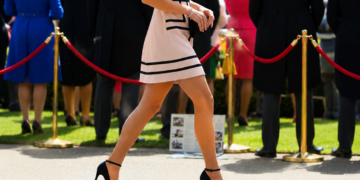
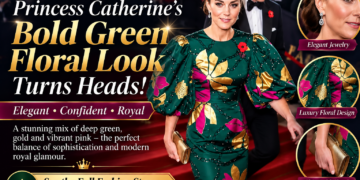
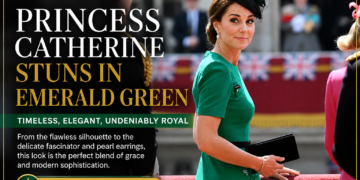
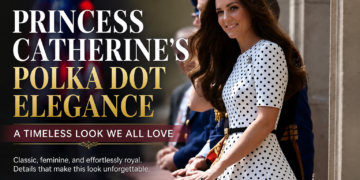
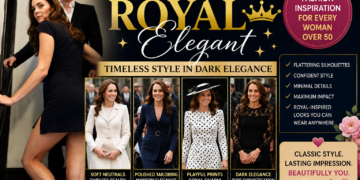
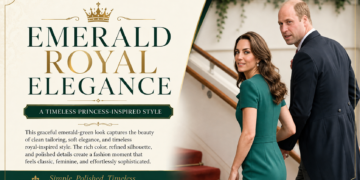
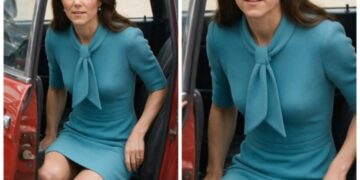
For visual references, here are four real Princess Catherine fashion photographs that match the article’s themes of navy, tailoring, evening elegance and timeless royal style: