







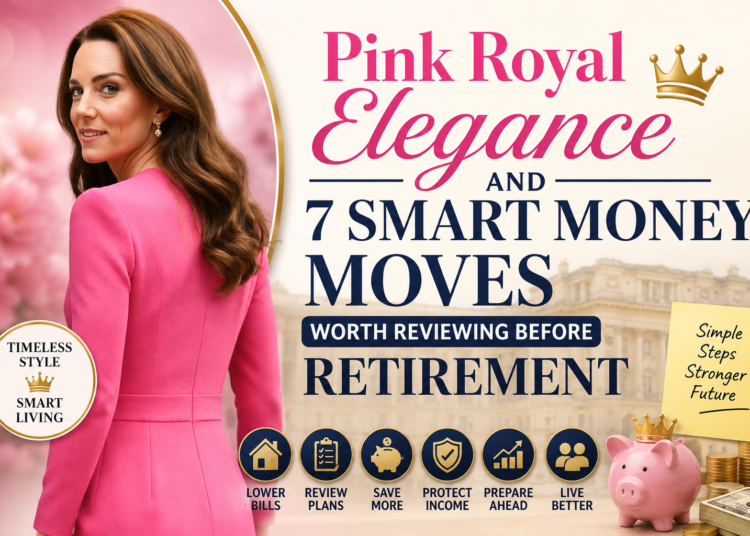
Pink Royal Elegance and 7 Smart Money Moves Worth Reviewing Before Retirement
Hook
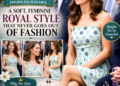
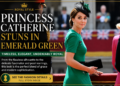
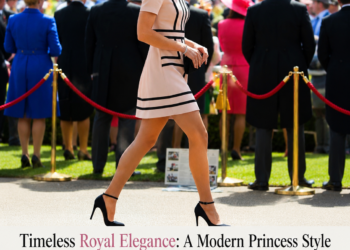
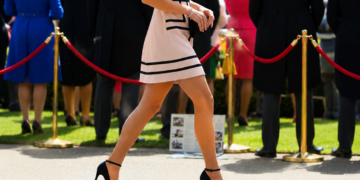
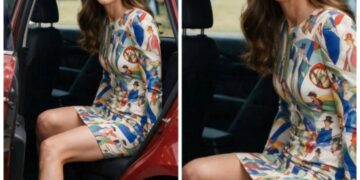
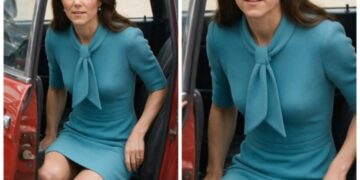
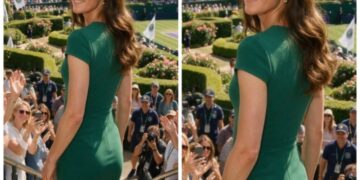
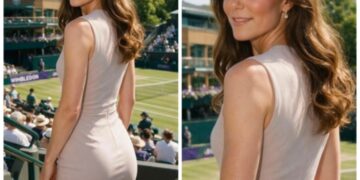
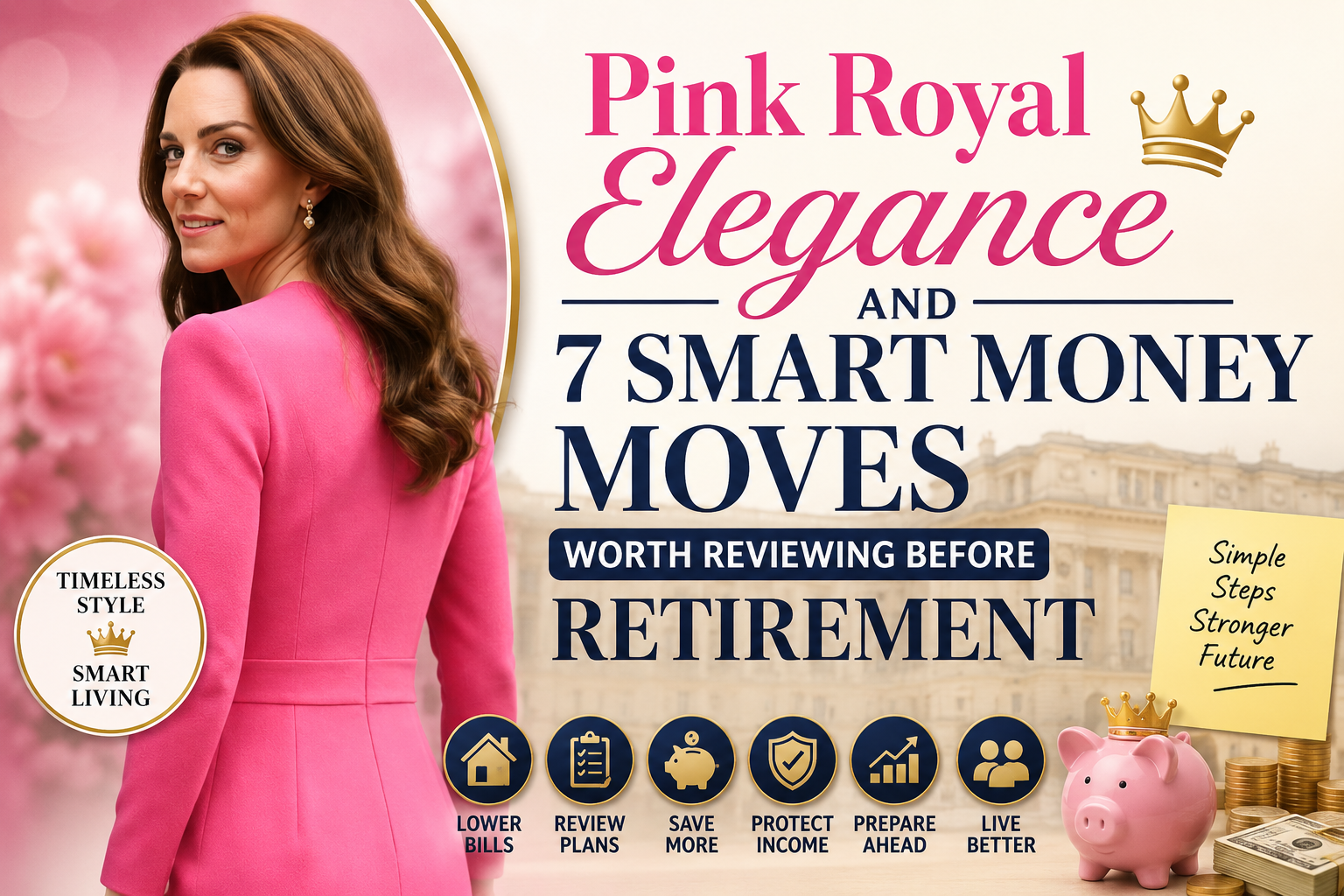
There is something about a beautiful pink outfit that immediately catches my eye. The image that inspired this article has that same feeling: a sharply tailored pink dress, elegant heels, softly styled hair, and a confident glance over the shoulder.
I cannot confirm that the uploaded image represents a real royal appearance, so I prefer to treat it simply as royal-fashion inspiration. Still, it reminded me of something I have noticed while following Princess Catherine’s wardrobe over the years. Her most memorable looks are rarely complicated. A strong color, careful tailoring, classic accessories, and confidence often do most of the work.
That is one reason luxury fashion can be so interesting after 50. Luxury does not necessarily mean buying more. Sometimes it means choosing fewer things more carefully.
And perhaps our money deserves the same treatment.
As retirement gets closer, simplicity, quality, and planning can become far more valuable than constantly chasing something new.
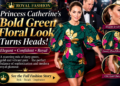
Princess Catherine in a bright pink ME+EM dress during the 2023 RHS Chelsea Flower Show. Editorial photography from Getty Images via Town & Country. (Getty Images)
Background
Pink has appeared repeatedly in Princess Catherine’s public wardrobe, but she has worn the color in very different ways.
At the 2023 Chelsea Flower Show, she wore a pink ME+EM shirt dress while joining activities connected with the event’s first Children’s Picnic. The dress had a long, flowing silhouette and a defined waist, creating a polished look without appearing overly formal. (Getty Images)
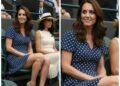
Just weeks later, another softer interpretation appeared when Catherine attended the reopening of Young V&A in London wearing a pale pink belted dress.
I like this contrast because it shows that elegance is often less about one particular garment and more about having a consistent approach.
The same principle can apply to retirement planning.
You do not necessarily need dozens of complicated financial products. You need to understand what you own, what it costs, what income it may provide, and whether it still fits the life you expect to live.
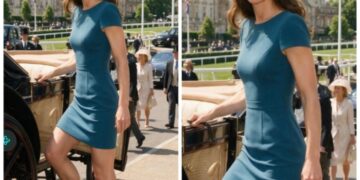
An authentic editorial photograph of Princess Catherine wearing a soft baby-pink belted dress during the Young V&A opening in London in June 2023.
Fashion Details
The royal-inspired look in the uploaded image immediately draws attention to three details: color, tailoring, and proportion.
The saturated pink is confident rather than quiet. The clean lines keep the outfit sophisticated, while matching heels extend the monochromatic idea.
Real appearances by Princess Catherine show a similar appreciation for coordinated dressing.
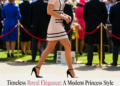
One particularly interesting example came during the French state visit to Britain in July 2025, when Catherine wore a pale pink Dior ensemble with a tailored jacket, coordinating hat, pearls, and drop earrings. It represented a far softer version of pink than the vivid Chelsea look, yet the underlying idea was similar: one restrained palette carrying the entire outfit. (People.com)
Princess Catherine in a pale pink Dior ensemble during the French state visit in July 2025. Getty Images editorial photograph. (People.com)
What I find especially useful about this approach is that it translates surprisingly well to everyday life after 50.
Instead of owning ten inexpensive jackets that never quite fit, perhaps one beautifully cut jacket is enough.
Instead of paying for ten services that are rarely used, perhaps keeping only the few that genuinely improve daily life is enough.
That brings us to money.
Public Reaction
Royal fashion attracts attention because people enjoy looking at details: the color, shoes, jewelry, tailoring and whether something has been worn before.
Catherine has also become associated with rewearing pieces. Her pink ME+EM dress, for example, had appeared previously during a 2021 visit to Scotland before returning at Chelsea in 2023. (Town & Country)
For me, that may be more interesting than constantly seeing something new.
Rewearing an excellent piece suggests that value is not measured only on the day something is purchased.
A $300 item worn 100 times may ultimately serve someone better than a $70 item worn twice.
That is not a rule about fashion expenditure. It is simply a useful way to think about cost versus lasting value.
Expert Opinion: The Retirement Lesson Hidden in a Good Wardrobe
Financial planning after 50 can benefit from the same principle: keep what provides genuine value and question what does not.
Here are seven areas worth reviewing.
1. Your Monthly Housing Cost
For many households, housing remains one of the largest retirement expenses.
Before retiring, look at the complete number—not merely the mortgage.
Property taxes, insurance, utilities, repairs, association fees and maintenance can continue even after a mortgage disappears.
A paid-off house is not necessarily a free house.
2. Health and Insurance Expenses
Healthcare can become more important as we age, which makes insurance planning worth reviewing before retirement rather than after an unexpected expense arrives.
Check premiums, deductibles, prescription expenses and possible out-of-pocket costs.
The purpose is not to predict every future medical bill. That would be impossible.
It is to leave enough room in the budget for costs that may change.
3. Credit Card Balances
High-interest debt can quietly consume retirement income.
If retirement is still several years away, paying down expensive revolving debt may improve monthly cash flow later.
Imagine entering retirement without several hundred dollars disappearing every month toward old purchases.
That freedom can be worth more than another luxury purchase today.
4. Subscription Creep
Streaming services, software, memberships, cloud storage, delivery programs and premium apps can accumulate almost invisibly.
Individually, each bill feels small.
Together, they may represent hundreds or even thousands of dollars per year.
I like to think of this as cleaning a wardrobe: if you have forgotten you own it, perhaps it deserves another look.
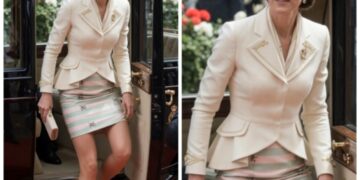
An earlier authentic royal-fashion moment: Catherine wearing pale pink at a Buckingham Palace garden party in May 2012. Getty Images editorial photograph.
5. Your Retirement Income Sources
Make a simple list of where retirement income may come from.
That could include pensions, government retirement benefits, investment accounts, savings, rental income or part-time work.
Then separate guaranteed or relatively predictable income from income that may fluctuate.
Seeing everything on one page often makes retirement planning feel much less mysterious.
6. Emergency Savings
Retirement does not eliminate emergencies.
Roofs still leak. Cars still need repairs. Appliances still stop working.
Keeping a separate emergency reserve can help prevent every unexpected expense from becoming an investment withdrawal or credit-card balance.
The appropriate amount varies by household, which is why this is one area where discussing your circumstances with a qualified financial professional can be worthwhile.
7. Estate Planning
Estate planning is not only for extremely wealthy families.
Depending on where you live and your circumstances, it can include a will, beneficiary designations, powers of attorney and instructions concerning assets.
One of the simplest retirement reviews is checking whether the beneficiaries listed on financial accounts still reflect your wishes.
People often create these documents years earlier and then forget about them.
Why It Matters
What does a pink royal outfit have to do with retirement?
More than I expected.
Good style is often intentional.
Good retirement planning is intentional too.
Princess Catherine’s real pink looks illustrate how one strong idea can be repeated in different ways over many years—from soft garden-party tailoring to brighter daytime dresses and modern formal ensembles.
You do not need endless choices when the fundamentals work.
The same can be true financially.
A comfortable retirement may depend less on finding one spectacular investment and more on getting many ordinary decisions right: reasonable housing costs, controlled debt, adequate savings, appropriate insurance and a realistic spending plan.
There is a quiet elegance in that.
Conclusion
The uploaded image may simply be a beautiful royal-inspired fashion scene, but the styling gave me a useful thought.
At a certain stage of life, quality begins to feel more valuable than quantity.
A wardrobe can become smaller and better.
A home can become simpler and more comfortable.
A financial plan can become easier to understand.
And retirement does not have to mean giving up every beautiful thing.
Perhaps the real goal is knowing which beautiful things matter enough to keep—and making sure our finances allow us to enjoy them without unnecessary worry.
That, to me, is a form of luxury that lasts much longer than a fashion season.
FAQ
Is pink appropriate for women over 50?
Absolutely. There is no age limit on color. Soft blush can appear understated while brighter pink can create a confident statement. Fit and personal comfort matter more than age.
Do I need expensive designer clothing to achieve a royal-inspired look?
No. The useful lessons are proportion, tailoring, coordination and choosing pieces that can be worn repeatedly.
When should retirement planning become more detailed?
Many people begin reviewing retirement finances more closely during their 50s, but earlier planning can provide more flexibility. Individual circumstances vary.
What expenses are easy to underestimate in retirement?
Housing maintenance, healthcare, insurance, taxes, transportation and recurring subscriptions can be overlooked when someone focuses only on basic monthly spending.
Should I change my investments before retiring?
Major investment decisions depend on your income needs, risk tolerance, taxes, time horizon and other circumstances. Consider individualized guidance from a qualified financial professional before making substantial changes.
What is the connection between elegant living and smart money?
For me, they share one idea: intentional choices. Spending deliberately on things that provide lasting value can support both a comfortable lifestyle and stronger long-term financial habits.
Financial information in this article is general educational content and is not individualized investment, tax, insurance or legal advice.