





















Financa
7 Retirement Spending Rules After 50: What Elegant Living Can Teach Us About Financial Freedom
There is something quietly powerful about an elegant image. A well-tailored outfit, confident posture, classic colors, and a polished setting can make life look wonderfully effortless.
But after 50, many of us begin to realize that the most valuable kind of elegance has very little to do with expensive clothes.
It is the feeling of knowing the bills are covered.
It is having enough savings to handle an unexpected expense without panic.
It is enjoying dinner with family without wondering whether the credit card balance will follow you into retirement.
That is where personal finance after 50 becomes so important.
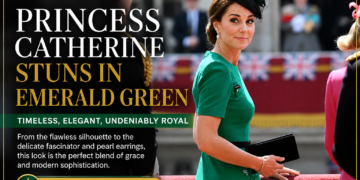
The royal-inspired blue fashion moment in the photo may catch the eye, but the deeper lesson is about intentional living. Luxury fashion can look beautiful, yet true luxury in later life often comes from financial security, manageable expenses, and the freedom to choose how you spend your time.
For anyone approaching retirement, these seven financial principles can make a surprisingly big difference.
1. Know Your Real Monthly Retirement Number
Many people know how much money they have saved.
Far fewer know exactly how much money they will need every month after they stop working.
That number is extremely important.
Start by dividing retirement spending into two categories.
Essential expenses
These may include:
- housing
- property taxes
- utilities
- groceries
- transportation
- insurance
- healthcare
- basic home maintenance
Then calculate discretionary expenses such as travel, dining out, hobbies, gifts, entertainment, and shopping.
Imagine your essential expenses total $3,800 per month and your comfortable lifestyle requires another $1,200.
Your target retirement lifestyle would therefore cost approximately $5,000 per month, or $60,000 annually.
Now compare that number with pensions, Social Security or other government retirement benefits, rental income, and investment withdrawals.
That simple calculation can tell you more about retirement readiness than merely looking at the total value of your investment account.
2. Stop Lifestyle Inflation Before Retirement
One of the most dangerous financial habits after 50 is quietly increasing your lifestyle because your income has increased.
This is understandable.
The children may have moved out.
The mortgage may be almost finished.
Your salary may finally be near its peak.
Suddenly you can afford nicer restaurants, newer cars, premium vacations, home renovations, and more expensive clothing.
There is nothing inherently wrong with enjoying those things.
The problem begins when temporary high-income spending becomes the lifestyle you expect to maintain after retirement.
Suppose you currently spend $7,000 per month while working.
If your retirement income will eventually be $5,000 per month, you have a $2,000 lifestyle gap.
That is $24,000 every year.
Over twenty years, ignoring investment returns and inflation, that difference alone represents nearly $480,000.
Reducing lifestyle inflation before retirement can therefore have an enormous long-term impact.
3. Practice Living on Your Future Retirement Income
This is one of my favorite retirement strategies because it is simple and practical.
Before retiring, try living on the amount you expect to receive during retirement.
For example, perhaps your household currently brings home $7,500 monthly.
But your estimated retirement income is $5,200.
Try living on $5,200 for six months.
Send the remaining $2,300 toward retirement accounts, savings, or debt reduction.
You may discover that certain expenses are easier to eliminate than expected.
You may also discover expenses that you underestimated.
Either outcome is useful.
You are essentially giving your retirement budget a test drive before making the permanent transition.
4. Reduce Fixed Expenses Before You Stop Working
A flexible retirement is easier when fewer bills are mandatory.
Consider two retirees.
Retiree A has:
- a large mortgage
- two vehicle payments
- credit card debt
- multiple subscriptions
- high property costs
Retiree B has:
- a smaller home payment
- one paid-off car
- no revolving credit card debt
- modest monthly obligations
Even if both have similar retirement savings, Retiree B may feel considerably wealthier.
Why?
Because financial freedom is not determined only by income.
It is also determined by how much of that income is already promised to someone else.
Reducing fixed expenses before retirement can therefore be almost as important as increasing investment returns.
5. Build Separate Cash Reserves
Retirement can become stressful when every unexpected expense requires selling investments.
That is why many retirees benefit from keeping accessible cash reserves.
You might separate savings into different buckets.
Everyday cash
For normal monthly expenses.
Emergency reserve
For unexpected home repairs, medical costs, or vehicle expenses.
Large purchase fund
For planned expenses such as replacing a car, renovating a bathroom, or taking a major trip.
These separate accounts can make retirement spending more predictable.
They may also reduce the temptation to withdraw too much from investments during a market downturn.
The appropriate amount will vary from person to person, but the principle is simple: not every financial need should require touching your long-term portfolio.
6. Be Careful With Large Purchases After 50
A $60,000 purchase at age 35 and a $60,000 purchase at age 65 are financially different.
The younger buyer may have decades of employment ahead.
The retiree may be relying on a portfolio that must last twenty or thirty years.
That does not mean people over 50 should avoid enjoying their money.
It means larger purchases deserve more careful consideration.
Before buying something expensive, ask yourself three questions:
Will this purchase increase my monthly expenses?
A larger home, luxury vehicle, or vacation property may create insurance, maintenance, tax, and utility costs long after the purchase itself.
Will I need to withdraw investments during a bad market?
Large withdrawals during downturns can damage a retirement portfolio.
Will this purchase genuinely improve my life?
That may be the most important question.
Sometimes the answer is absolutely yes.
Other times, we realize we are spending money primarily to impress people who are not paying our retirement bills.
7. Think About Healthcare as a Separate Retirement Expense
Healthcare can become one of the largest unpredictable costs in retirement.
Premiums are only part of the picture.
There can also be:
- deductibles
- dental treatment
- vision care
- prescription medications
- specialist visits
- mobility equipment
- home modifications
- long-term care
Instead of treating healthcare as another miscellaneous expense, consider giving it its own section in your retirement plan.
If healthcare costs are lower than expected, wonderful.
But being financially prepared can protect the rest of your retirement lifestyle if those expenses increase.
The 10% Royal-Inspired Lesson: Elegance Is Often About Restraint
Now we return briefly to the fashion image.
The royal-inspired blue look feels polished because it appears coordinated and intentional.
The color is strong.
The styling is simple.
There is no need for dozens of competing accessories.
That idea translates surprisingly well to personal finance.
A beautiful life after 50 does not necessarily require owning more.
Sometimes it means owning fewer things that you genuinely value.
One good coat instead of five impulse purchases.
One comfortable home instead of an oversized property that consumes retirement income.
One meaningful vacation that has been fully saved for instead of several trips financed through debt.
Royal style often creates the impression of elegance through careful selection.
Retirement finances can work the same way.
The goal is not deprivation.
The goal is intentionality.
Create Three Retirement Lifestyles
Another useful exercise is to prepare three versions of your retirement budget.
Basic Retirement
This covers necessities such as housing, food, healthcare, utilities, transportation, and insurance.
Comfortable Retirement
This includes the essentials plus restaurants, hobbies, modest travel, entertainment, and gifts.
Luxury Retirement
This might include frequent travel, expensive hobbies, premium vehicles, major renovations, or financial gifts to family.
Having these three levels gives you flexibility.
When markets are strong, you may comfortably spend more.
During weaker years, temporarily reducing discretionary expenses may help protect your portfolio.
That flexibility can be extremely valuable during a retirement that could last several decades.
The Real Meaning of Wealth After 50
Something changes as we grow older.
Luxury becomes less about impressing others and more about protecting our independence.
Having six months of expenses in cash can feel luxurious.
Having no credit card debt can feel luxurious.
Being able to repair the roof without borrowing money can feel luxurious.
Visiting your grandchildren whenever you want can feel luxurious.
And waking up on Monday morning knowing you no longer have to work simply because you need the paycheck may be one of the greatest luxuries of all.
Financial independence rarely looks dramatic.
But it can quietly transform everyday life.
Final Thoughts
After 50, smart money decisions become increasingly valuable because retirement is no longer a distant idea.
It is becoming real.
Know your retirement spending number.
Control lifestyle inflation.
Reduce fixed expenses.
Prepare for healthcare costs.
Maintain cash reserves.
Think carefully about large purchases.
And most importantly, build a lifestyle that your retirement income can comfortably support.
The elegant royal-inspired fashion moment in the photo is a pleasant reminder that sophistication does not always come from excess.
Sometimes the most refined choice is simply knowing what is enough.
And after 50, knowing what is enough may be one of the most powerful financial advantages you can have.
FAQ
How much money should I have saved by age 50?
There is no single amount that works for everyone. Your target depends on income, expected retirement age, future expenses, pensions, government benefits, investment returns, and lifestyle. A personalized retirement projection is more useful than comparing yourself with a single generic number.
Should I pay off my mortgage before retirement?
It depends on your mortgage rate, cash reserves, taxes, investment strategy, and retirement income. Eliminating a mortgage can significantly reduce monthly expenses, but using too much cash to repay low-interest debt may not always be the best option.
How much cash should retirees keep?
The appropriate amount varies. Some people prefer enough cash for several months of normal expenses plus emergencies, while others keep larger reserves so they are less dependent on selling investments during market declines.
Is it too late to improve retirement savings after 50?
No. The final working years can be extremely important because income may be higher and some expenses may be lower. Increasing retirement contributions, reducing debt, and controlling lifestyle inflation can still meaningfully improve retirement readiness.
What is the biggest financial mistake people make near retirement?
One common mistake is focusing only on the size of the investment portfolio while ignoring spending. Retirement success depends heavily on the relationship between income, withdrawals, fixed expenses, healthcare costs, and lifestyle expectations.
What does smart living after 50 really mean?
It means spending intentionally, protecting your future income, keeping debt manageable, preparing for major expenses, and using money to create freedom rather than financial pressure.