





















7 Smart Money Rules After 50: What Bold, Elegant Style Can Teach Us About Retirement
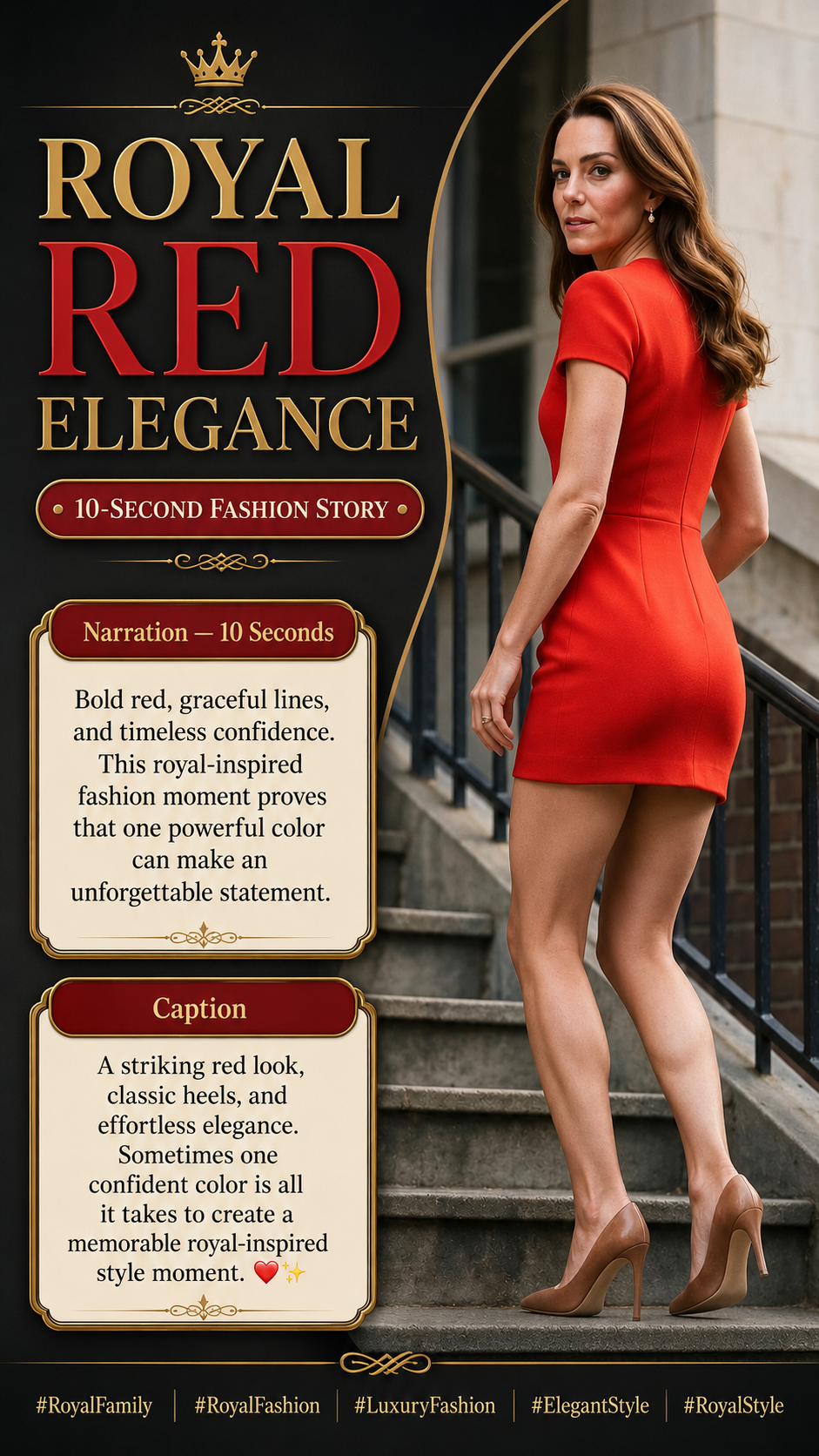
There is something about a confident red outfit that immediately catches the eye. In the photo, the strong color, clean lines, classic heels, and elegant setting create an impression of confidence without needing excessive detail.
For those of us over 50, there is an interesting financial lesson hidden inside that visual idea.
A comfortable retirement is rarely created by having more of everything. It is usually created by making fewer, better, more intentional decisions.
That applies to clothing, homes, cars, vacations—and especially money.
As retirement gets closer, personal finance becomes less about chasing the biggest possible number and more about creating a life that your savings can comfortably support. Good retirement planning after 50 means protecting your cash flow, reducing unnecessary expenses, preparing for healthcare costs, and making sure your money lasts as long as you need it.
Luxury fashion may attract attention for a moment, but financial independence can provide comfort for decades.
Here are seven money rules worth considering as you approach your retirement years.
1. Know What Your Lifestyle Actually Costs
Many people can tell you their salary immediately.
Ask them how much their lifestyle costs each month, however, and the answer becomes much less certain.
That can become a serious problem near retirement.
Start by reviewing several months of actual expenses rather than estimating what you think you spend.
Include housing, utilities, groceries, transportation, insurance, healthcare, subscriptions, dining, travel, clothing, gifts, hobbies, and irregular expenses such as home repairs.
Suppose your household currently spends approximately $6,000 per month.
That means maintaining the same lifestyle would require around $72,000 per year.
The next question is whether your future retirement income can realistically support that amount.
If Social Security, pensions, rental income, and other guaranteed sources provide $42,000 annually, your investments may need to supply approximately another $30,000.
Suddenly, retirement planning becomes much clearer.
You are no longer simply asking, “Do I have enough saved?”
You are asking, “Can my assets reliably support the lifestyle I want?”
That is a much more useful question.
2. Treat Fixed Expenses as Your Biggest Target
A lot of retirement advice focuses on small purchases.
Skip a coffee.
Cancel one streaming subscription.
Eat out less often.
Those changes can certainly help, but the biggest opportunities are often found in fixed monthly expenses.
Think about a $900 vehicle payment.
That is $10,800 every year.
A mortgage payment of $1,500 represents another $18,000 annually.
Add property taxes, insurance, credit-card payments, and other loans, and a large portion of retirement income may already be committed before you buy groceries.
Reducing fixed expenses before retirement can dramatically lower the amount of income you need every month.
Sometimes downsizing a home, paying off high-interest debt, keeping a reliable vehicle longer, or simplifying recurring expenses can improve retirement security more than cutting dozens of tiny purchases.
3. Practice Retirement Before You Actually Retire
One of the smartest experiments after 50 is surprisingly simple.
Try living on your expected retirement income while you are still working.
Imagine your household currently receives $7,500 per month after taxes.
Your estimated retirement income is $5,200.
For several months, try limiting your normal spending to approximately $5,200.
The remaining $2,300 could go toward retirement savings, emergency reserves, or debt reduction.
This gives you an opportunity to discover problems while you still have employment income.
Maybe $5,200 feels completely comfortable.
Wonderful.
Maybe you discover that your transportation costs are higher than expected.
Or perhaps property expenses are consuming too much of the budget.
That information is valuable because you still have time to make adjustments.
Retirement should ideally not be the first time you discover whether your retirement budget works.
4. Protect Yourself From Lifestyle Inflation
The years between 50 and retirement can sometimes be a financial sweet spot.
Your earnings may be higher than they were earlier in your career.
Children may have become financially independent.
Major debts may be smaller.
Suddenly there is more disposable income.
This can feel wonderful, but it also creates a subtle risk.
You may gradually upgrade everything.
A more expensive vehicle.
Better hotels.
More restaurants.
Premium subscriptions.
More frequent shopping.
A larger home renovation.
None of these purchases is necessarily bad.
The problem appears when your lifestyle rises to match your peak working income just before your income is about to decrease.
If you increase your spending from $5,000 to $7,000 per month during your final working years, you have effectively created a lifestyle that requires an additional $24,000 every year.
Maintaining that difference for twenty years could require hundreds of thousands of dollars.
Enjoying your money matters.
But so does remembering that the lifestyle you create today may become the lifestyle you expect tomorrow.
5. Keep a Separate Reserve for Life’s Expensive Surprises
Retirement does not eliminate unexpected expenses.
The roof may need replacing.
The car may need major repairs.
A refrigerator can suddenly stop working.
Dental treatment can become expensive.
A family emergency might require unexpected travel.
Without cash reserves, retirees may be forced to sell investments at an inconvenient time.
That can be especially uncomfortable during a stock-market decline.
Consider separating money into three purposes: ordinary monthly spending, emergency expenses, and planned larger purchases.
The exact amounts will depend on your circumstances.
The important idea is that your investment portfolio should not automatically become your emergency checking account.
Having accessible cash can provide something difficult to measure on a spreadsheet: peace of mind.
6. Give Healthcare Its Own Retirement Plan
Healthcare deserves special attention after 50 because it can be one of the most unpredictable retirement expenses.
Even with insurance, retirees may encounter premiums, deductibles, prescriptions, dental work, vision care, hearing services, specialist appointments, rehabilitation, mobility equipment, and long-term care.
Many people underestimate these costs because they only think about monthly insurance premiums.
A better approach is to give healthcare its own section in your retirement budget.
Ask yourself how much you could comfortably handle if annual healthcare spending suddenly increased.
Would you need to sell investments?
Would it force you to reduce travel?
Would you have enough emergency savings?
You do not need to predict every future medical expense.
You simply need enough flexibility in your plan so that healthcare costs do not automatically become a financial crisis.
7. Spend More Carefully on Things That Create Ongoing Costs
A large purchase does not always end when you make the payment.
Sometimes it is only the beginning.
Consider buying a larger house.
The purchase price may be manageable, but the home can also create higher property taxes, insurance, utilities, maintenance, landscaping, repairs, and furnishing costs.
The same principle applies to luxury vehicles, vacation properties, boats, and other expensive assets.
After 50, ask yourself not only:
“Can I afford to buy it?”
Ask:
“Can my retirement comfortably afford to keep it?”
That single question can prevent many financial mistakes.
The 10% Royal-Inspired Lesson From the Photo
Now for the small royal-style connection.
The red fashion look in the image feels memorable because it appears intentional. One bold color dominates the outfit. The silhouette is simple. The overall impression comes from confidence and coordination rather than excessive decoration.
There is a wonderful lesson there for life after 50.
You do not necessarily need more things to create a richer life.
One beautiful outfit you genuinely enjoy can be more satisfying than a closet filled with impulse purchases.
One well-maintained home may feel more luxurious than owning a larger property that creates constant financial pressure.
One thoughtfully planned vacation can create better memories than several trips financed with debt.
Elegant living is often about choosing carefully.
Smart retirement spending works exactly the same way.
The goal is not to stop enjoying money.
The goal is to make sure your spending creates genuine value.
What Real Luxury Begins to Mean After 50
Something interesting often happens as we grow older.
Our definition of luxury changes.
At 30, luxury may mean an expensive watch, fashionable clothing, or a premium car.
After 50, luxury can become something much quieter.
Being able to retire when you choose.
Having no credit-card balance waiting at the end of the month.
Paying an unexpected repair bill without panic.
Visiting family whenever you want.
Taking a vacation that was paid for before you left home.
Sleeping at night without wondering whether your retirement account will last.
Those things may not photograph as beautifully as a designer outfit.
But they can make daily life feel remarkably rich.
Build Your Retirement Around Freedom, Not Appearances
A strong retirement plan should give you choices.
You should ideally be able to reduce discretionary spending during difficult market years without disrupting your basic lifestyle.
That means separating essential expenses from optional spending.
Housing, food, insurance, healthcare, utilities, and transportation belong in the essential category.
Restaurants, expensive travel, luxury purchases, gifts, and major home upgrades are more flexible.
When investment markets are strong, you may comfortably enjoy more.
When conditions are difficult, temporarily reducing optional spending may help protect your savings.
That flexibility can make a retirement portfolio much more resilient.
Final Thoughts
The elegant red fashion image may capture attention, but the more lasting lesson is about intentionality.
After 50, your financial decisions become increasingly important because retirement is getting closer and the time available to recover from major mistakes becomes shorter.
Know what your lifestyle costs.
Reduce expensive fixed obligations.
Test your retirement budget before leaving work.
Protect yourself from lifestyle inflation.
Maintain emergency reserves.
Prepare separately for healthcare.
And think carefully about purchases that create years of additional expenses.
You do not have to stop enjoying beautiful things.
You simply want those things to fit comfortably inside the life you have worked so hard to build.
Because eventually, true wealth is not about looking wealthy.
It is having enough financial freedom to live your days on your own terms.
And that may be the most elegant retirement of all.
FAQ
What should be my biggest financial priority after age 50?
For many people, the priorities are increasing retirement savings, reducing expensive debt, understanding future retirement income, and keeping fixed expenses manageable. The exact order depends on your personal financial situation.
Is it too late to improve my retirement plan at 50 or 60?
No. Your final working years can still have a significant impact. Higher savings contributions, reduced debt, delayed large purchases, and better spending habits can meaningfully improve retirement readiness.
Should I completely stop spending on luxury items before retirement?
Not necessarily. A sustainable retirement plan should still allow you to enjoy your money. The key is making sure discretionary purchases do not interfere with essential savings, emergency funds, or long-term retirement needs.
Why are fixed expenses so important in retirement?
Retirement income is often lower than working income. Lower fixed expenses mean you need less money each month and have more flexibility when unexpected costs or market declines occur.
How can I make retirement feel more luxurious without spending much more?
Focus on quality, comfort, experiences, financial security, and freedom. A debt-free lifestyle, meaningful travel, a comfortable home, and time with family can provide more lasting satisfaction than constantly increasing material purchases.
What is the biggest lesson from elegant living after 50?
Choose intentionally. Whether it is fashion, travel, housing, or everyday spending, thoughtful choices can often create a better life than simply spending more.